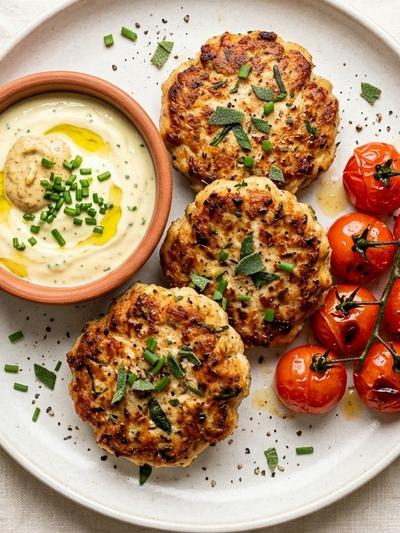
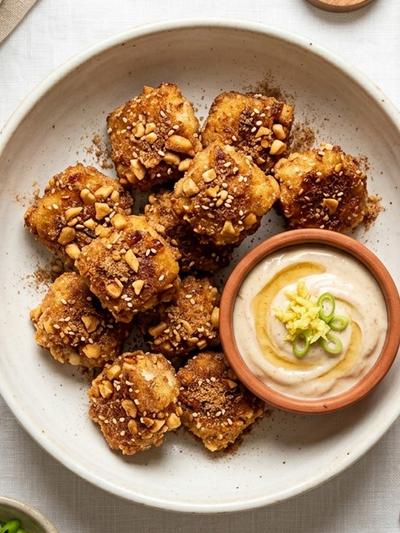
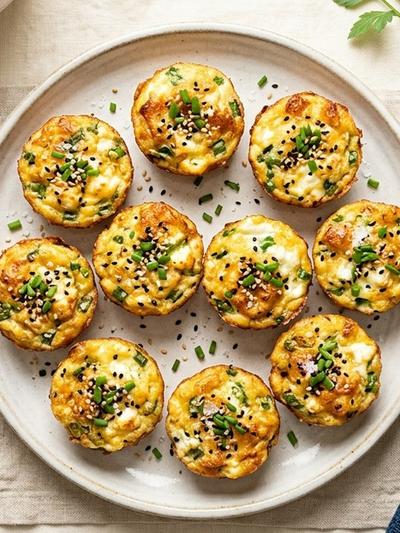
Each serving of these Vietnamese-inspired ricotta shrimp cakes delivers 34 grams of protein from two complementary sources — ricotta cheese and shrimp — while staying under 400 calories. The combination provides all essential amino acids plus calcium and selenium, two nutrients that GLP-1 users sometimes fall short on with reduced food intake. Rice flour binds the cakes without adding heaviness, and the air fryer produces a golden crust with just a whisper of cooking spray.
The flavor profile leans into classic Vietnamese aromatics: minced lemongrass brings citrusy warmth, fish sauce adds savory depth, and a shower of fresh mint and cilantro lifts everything with brightness. Shredded carrot mixed into the batter contributes a gentle sweetness and keeps the interior moist. A quick nuoc cham dipping sauce — lime juice, fish sauce, a touch of sugar, garlic, and chili — ties the whole plate together with the sour-salty-sweet balance that makes Vietnamese food so compelling.
For GLP-1 users, these cakes solve a common breakfast problem: getting enough protein in a format that feels light and appealing when morning appetite is low. Each cake is roughly the size of a hockey puck, so you can eat one or two and save the rest. The air fryer keeps the exterior crispy without the grease of pan-frying, which matters when your stomach is more sensitive to fat.
Why This Works on GLP-1
Two ricotta shrimp cakes deliver 34 grams of protein, which is critical for preserving lean muscle mass during GLP-1-assisted weight loss. Research consistently shows that inadequate protein intake during caloric restriction accelerates muscle loss, and many GLP-1 users — including those on Ozempic or Mounjaro — struggle to hit their protein targets simply because they eat less food overall. Starting the day with a protein-dense breakfast sets a strong foundation — these cakes front-load roughly 40–50 percent of most people's daily protein needs into the first meal.
The ricotta base is inherently gentle on digestion. Part-skim ricotta is a soft, low-lactose cheese that sits lighter than harder cheeses, and shrimp is one of the fastest-digesting animal proteins available. Together, they are unlikely to cause the heaviness or bloating that denser protein sources sometimes trigger during GLP-1 treatment.
The modest fat content — 14 grams per serving — comes almost entirely from the ricotta and eggs rather than added cooking oil. This keeps the calorie density reasonable while still providing enough fat for satiety and fat-soluble vitamin absorption. The shredded carrot and bean sprout garnish add fiber and volume without taxing digestion.
Ingredients (serves 2)
For the shrimp cakes:
- 6 oz (170g) raw shrimp, peeled, deveined, and finely chopped
- 3/4 cup (185g) part-skim ricotta cheese
- 2 large eggs
- 2 tablespoons (16g) rice flour
- 1 medium carrot, finely shredded — about 1/2 cup (55g)
- 2 scallions, thinly sliced
- 1 stalk lemongrass, tender inner core only, minced — about 1 tablespoon
- 1 tablespoon (15ml) fish sauce
- 1/4 teaspoon ground white pepper
- Cooking spray
For the nuoc cham dipping sauce:
- 2 tablespoons (30ml) fish sauce
- 2 tablespoons (30ml) fresh lime juice — about 1 lime
- 1 tablespoon warm water
- 1 teaspoon granulated sugar
- 1 small garlic clove, minced
- 1 small red chili, thinly sliced (optional — omit if sensitive to heat)
For serving:
- 1 cup (100g) bean sprouts
- Fresh mint leaves — a small handful
- Fresh cilantro sprigs — a small handful
- Lime wedges
Instructions
Make the nuoc cham:
- Whisk together the fish sauce, lime juice, warm water, and sugar in a small bowl until the sugar dissolves. Stir in the garlic and chili slices. Set aside — the flavor develops as it sits while you make the cakes.
Prepare the shrimp cake batter:
- Pat the chopped shrimp dry with paper towels. Removing excess moisture helps the cakes hold together and crisp properly in the air fryer rather than steaming.
- In a medium mixing bowl, combine the ricotta, eggs, and rice flour. Stir until smooth — a few small ricotta curds are fine and will add texture to the finished cakes.
- Add the chopped shrimp, shredded carrot, scallions, minced lemongrass, fish sauce, and white pepper. Fold everything together until evenly distributed. The batter will be wet and spoonable, not firm like a traditional fishcake — this is correct.
Air fry the cakes:
- Preheat your air fryer to 375°F (190°C) for 3 minutes. Line the basket with a parchment round or lightly coat with cooking spray to prevent sticking.
- Scoop the batter into 6 even portions, roughly 1/3 cup each. Drop them into the air fryer basket, leaving about an inch of space between cakes so hot air can circulate. You may need to cook in two batches depending on your air fryer size.
- Lightly mist the tops of the cakes with cooking spray. This promotes browning on the surface.
- Air fry for 8 minutes, then carefully flip each cake using a thin spatula. The bottoms should be golden and set. Air fry for another 5–7 minutes until both sides are golden brown and the internal temperature reaches 145°F (63°C).
- Let the cakes rest on a wire rack for 2 minutes before serving. This brief rest firms the interior and makes them easier to handle.
Plate and serve:
- Divide the cakes between two plates — 3 per serving. Top with a small mound of fresh bean sprouts, torn mint leaves, and cilantro sprigs. Serve the nuoc cham alongside for dipping, with lime wedges on the plate.
Nutrition per Serving
| Nutrient | Amount (approx.) |
|---|---|
| Calories | ~385 kcal |
| Protein | ~34g |
| Fat | ~14g |
| Carbohydrates | ~16g |
| Fiber | ~3g |
Estimates based on 3 cakes per serving using part-skim ricotta, raw shrimp weight, and nuoc cham sauce. Bean sprout and herb garnish included.
Practical Notes
Make the batter the night before. Mix everything except the cooking spray, cover, and refrigerate. The lemongrass and fish sauce flavors will deepen overnight. Scoop and air fry straight from the fridge in the morning — cold batter actually holds its shape better when it first hits the heat.
Storage and reheating. Cooked cakes keep refrigerated for up to 3 days in an airtight container. Reheat in the air fryer at 350°F (175°C) for 4–5 minutes to restore crispness. Microwaving works but produces a softer texture. You can also freeze cooked cakes for up to 2 months — reheat from frozen in the air fryer at 375°F for 8–10 minutes.
Swap the shrimp if needed. Finely chopped cooked chicken breast or crab meat both work well. For a fully vegetarian version, substitute the shrimp with 6 ounces of extra-firm tofu, pressed and crumbled, and use soy sauce in place of fish sauce in both the cakes and the dipping sauce. Protein count will shift slightly depending on the substitution.
Adjust the nuoc cham to your tolerance. If you are in the early weeks of GLP-1 treatment and acidic foods cause discomfort, reduce the lime juice by half and add an extra tablespoon of warm water. You can also skip the chili entirely — the sauce is flavorful without the heat. Some users find that sour and salty flavors are more appealing than sweet ones during treatment, which makes nuoc cham a natural fit.
Scale up for meal prep. Double the recipe to make 12 cakes, which gives you 4 servings for the week. Air fry them all in batches, cool completely on a wire rack, then store in a single layer separated by parchment paper. Having a high-protein breakfast ready to reheat in 5 minutes removes the friction that often leads GLP-1 users to skip their morning meal.
Frequently Asked Questions
Will these cakes feel too heavy if my appetite is very low in the morning?
Can I use regular ricotta instead of part-skim?
How do I store and reheat these for meal prep?
I am in the first few weeks of GLP-1 and experiencing nausea. Can I still eat these?
My air fryer is small — can I pan-fry these instead?
This article provides general food and nutrition guidance only. It does not constitute medical advice. Always consult your healthcare provider regarding your GLP-1 medication and individual nutritional needs.