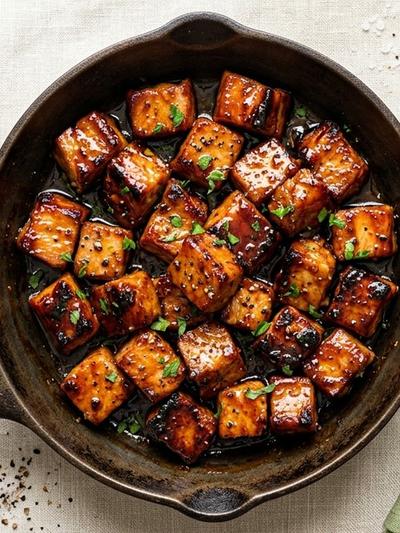
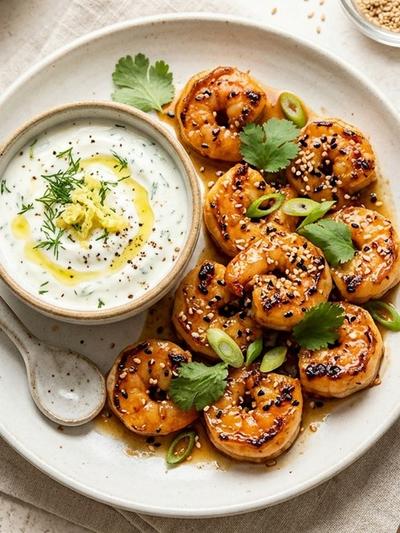
Each serving of these Thai lemongrass pork bites delivers 26 grams of protein and only 195 calories, making them one of the most efficient protein-per-calorie snacks you can prepare at home. Lean ground pork provides complete amino acids alongside iron and B vitamins, while lemongrass and fresh ginger contribute anti-inflammatory compounds that support gut comfort. Water chestnuts add unexpected crunch without significant calories, and the cool lime-ginger yogurt dip rounds out each bite with an additional 3 grams of protein.
The flavor here is distinctly Thai without relying on heat or heaviness. Lemongrass brings its bright citral fragrance, fish sauce adds savory depth, and toasted sesame oil contributes a nutty undercurrent that ties everything together. The bites cook quickly in a nonstick skillet, forming a golden crust while staying tender inside, and the cool yogurt dip creates a contrast that makes each piece genuinely satisfying.
At under 200 calories per serving, these bites fit perfectly into that mid-afternoon window when GLP-1 users need quality protein without the volume of a full meal. The aromatics are fragrant rather than spicy, so they sit well even when appetite is suppressed. Five small bites with a couple of cucumber sticks and a spoonful of dip make a complete, grab-worthy snack that holds you through to dinner.
Why This Works on GLP-1
Maintaining lean muscle mass is one of the most important nutritional priorities during GLP-1-assisted weight loss, and that requires consistent protein intake spread throughout the day. These pork bites deliver 26 grams of high-quality animal protein per serving, closing the gap between meals without the caloric load of a sit-down plate. For people on Mounjaro or Zepbound who find their appetite significantly reduced, a compact snack like this ensures protein targets stay on track even when eating larger portions feels impossible.
Lemongrass and ginger are both traditionally used in Southeast Asian cooking precisely because they support digestion. Ginger in particular has been studied for its ability to ease nausea and promote gastric motility, two concerns that frequently arise during GLP-1 titration. The recipe avoids heavy fats, deep frying, and excessive spice, all of which can aggravate the slowed gastric emptying that these medications cause.
The combination of lean pork with a small amount of panko and egg white creates bites that are structurally firm but easy to chew and digest. Pork tenderloin-grade ground meat is naturally lower in saturated fat than beef, and the cooking method — a quick sear in a lightly oiled skillet — renders out remaining surface fat rather than trapping it. This gives you maximum protein density with minimal digestive burden.
Ingredients (serves 4)
For the pork bites:
- 1 lb (454g) lean ground pork (93% lean or ground from tenderloin)
- 1 large egg white
- 2 tablespoons panko breadcrumbs
- 1 large stalk lemongrass, tough outer layers removed, inner core minced very fine
- 3 cloves garlic, minced
- 1 tablespoon (15g) fresh ginger, finely grated
- 2 scallions, thinly sliced (white and light green parts only)
- 1/4 cup (40g) canned water chestnuts, drained and finely diced
- 1 tablespoon (15ml) fish sauce
- 1 teaspoon toasted sesame oil
- 1/4 teaspoon ground white pepper
- Cooking spray
For the lime-ginger yogurt dip:
- 1/2 cup (125g) nonfat plain Greek yogurt
- 1 tablespoon (15ml) fresh lime juice
- 1 teaspoon fresh ginger, finely grated
- 1 tablespoon fresh cilantro, finely chopped
- Pinch of fine sea salt
For serving:
- 1 medium cucumber, cut into sticks
- Fresh mint leaves (optional)
Instructions
Prepare the pork mixture:
In a medium bowl, combine the ground pork, egg white, panko, minced lemongrass, garlic, grated ginger, scallions, diced water chestnuts, fish sauce, sesame oil, and white pepper. Mix with your hands or a fork until everything is evenly distributed, but avoid overworking the meat — overmixed pork turns rubbery once cooked.
Shape the mixture into approximately 20 small bites, each about 1 inch (2.5cm) across. Slightly flatten each one so it has good surface contact with the skillet, which creates a better sear. You can wet your hands lightly to prevent sticking.
Make the dip:
- While shaping the bites, stir together the Greek yogurt, lime juice, grated ginger, cilantro, and salt in a small bowl. Taste and adjust the lime juice if needed. Set aside in the refrigerator.
Cook the bites:
Heat a large nonstick skillet over medium-high heat and coat it lightly with cooking spray. Once the pan is hot, arrange the pork bites in a single layer, leaving a little space between each one so they sear rather than steam. You may need to work in two batches depending on your skillet size.
Cook undisturbed for 3 to 4 minutes until the bottoms develop a golden-brown crust. Flip each bite and cook for another 3 to 4 minutes on the second side. The internal temperature should reach 160°F (71°C). The bites will feel firm but springy when pressed gently with a spatula.
Transfer the cooked bites to a plate lined with a paper towel to absorb any surface oil. Let them rest for 1 to 2 minutes — this brief rest allows the juices to redistribute so the bites stay moist when you eat them.
Serve:
- Divide the bites among four small plates or containers, about 5 bites per serving. Add a spoonful of the lime-ginger yogurt dip and a handful of cucumber sticks alongside. Scatter fresh mint leaves over the bites if you have them — the mint adds a bright herbal note that complements the lemongrass beautifully.
Nutrition per Serving
| Nutrient | Amount (approx.) |
|---|---|
| Calories | ~195 kcal |
| Protein | ~26g |
| Fat | ~8g |
| Carbohydrates | ~6g |
| Fiber | ~2g |
Estimates based on 93% lean ground pork, nonfat Greek yogurt, and standard USDA values for all listed ingredients. Actual values may vary based on specific brands and pork fat content.
Practical Notes
Make them ahead for the week. Cooked bites refrigerate well for up to 4 days in an airtight container. Reheat in a dry skillet over medium heat for 2 to 3 minutes per side to restore the crust, or microwave for 45 seconds if you need speed. Keep the yogurt dip separate — it stays fresh for 3 to 4 days refrigerated.
Freeze for longer storage. Flash-freeze uncooked shaped bites on a parchment-lined tray until solid, then transfer to a zip-top bag. They cook from frozen in about 8 to 10 minutes in a skillet over medium heat, no thawing needed. This makes them a genuine grab-and-cook protein option on days when appetite appears unexpectedly.
Swap the protein if needed. Ground turkey or ground chicken breast work as direct substitutes with similar protein content. Chicken breast will be slightly leaner and drier, so add an extra teaspoon of sesame oil to compensate. Ground beef changes the fat profile significantly — stick with poultry if you want to stay close to the original nutrition.
Adjust for very small appetites. During early GLP-1 titration when appetite is at its lowest, serve just 3 bites (about 120 calories, 16g protein) with extra cucumber sticks. Even this smaller portion contributes meaningful protein to your daily total. Eating slowly and chewing thoroughly helps your body signal satisfaction before fullness becomes uncomfortable.
Find the lemongrass shortcut. Fresh lemongrass can be hard to source or prep. Look for tubes of pre-minced lemongrass in the produce section of most grocery stores — 1 tablespoon of paste equals roughly 1 stalk. Alternatively, frozen minced lemongrass from Asian grocery stores works perfectly and keeps for months.
Frequently Asked Questions
Can I eat these pork bites during the first weeks of GLP-1 medication?
What can I use instead of fish sauce?
How should I store and reheat leftovers?
How do I adapt this if I find the bites too filling?
Why do the bites need to rest before eating?
This article provides general food and nutrition guidance only. It does not constitute medical advice. Always consult your healthcare provider regarding your GLP-1 medication and individual nutritional needs.