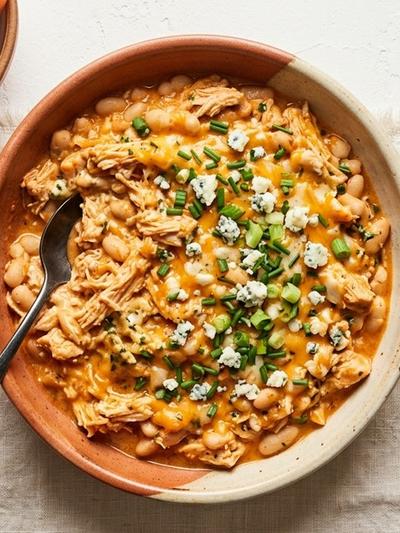
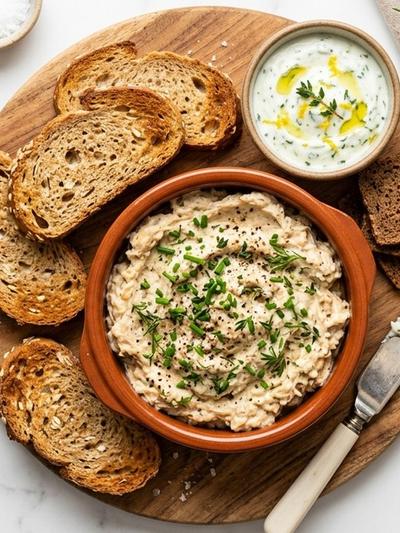
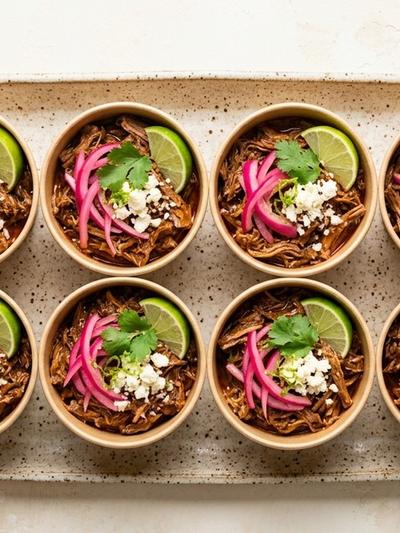
Each serving of these slow cooker chicken meatball bites delivers 27 grams of protein from lean ground chicken breast bolstered by mashed white beans, which also contribute fiber and a creamy interior texture. The combination of oat binder, egg white, and beans creates meatballs that stay remarkably moist during the long, low cook without relying on added fat. At just 215 calories per five-bite serving, these provide substantial protein density while keeping the calorie count firmly in snack territory.
The honey-mustard glaze balances sharp Dijon bite with just enough sweetness from a restrained amount of honey, rounded out by apple cider vinegar and a touch of garlic. As the meatballs braise in this sauce over three hours, they absorb the tangy, savory-sweet flavor throughout while the glaze reduces to a sticky, spoonable coating. The finished texture is tender and almost silky — not dry or crumbly like reheated lean chicken can often become.
For GLP-1 users, this snack format solves a common problem: you need protein between meals but lack the appetite for anything substantial. Five small meatballs are easy to eat in stages, gentle on a sensitive stomach, and satisfying without heaviness. The slow cooker batch approach means you cook once on a weekend and have portioned protein snacks ready in the refrigerator all week.
Why This Works on GLP-1
Preserving lean muscle mass is one of the most important nutritional goals during GLP-1-assisted weight loss, and consistent protein intake throughout the day supports this better than loading it all into main meals. These meatball bites provide 27 grams of complete protein per serving — roughly the amount shown in research to maximally stimulate muscle protein synthesis in a single eating occasion. For people on Mounjaro or similar GLP-1 medications who find their appetite significantly reduced, having pre-portioned high-protein snacks available prevents the common trap of under-eating protein simply because hunger signals are muted.
The white beans folded into the meatball mixture contribute both soluble fiber and resistant starch, which feed beneficial gut bacteria and support digestive regularity — a common concern for Wegovy and Ozempic users who may experience constipation. The 3 grams of fiber per serving adds up meaningfully when combined with fiber from other meals throughout the day. The soft, braised texture is also significantly easier to digest than dense, dry protein sources.
The slow cooker method ensures the chicken stays exceptionally tender without any added oil or butter. Because GLP-1 medications slow gastric emptying, lower-fat protein sources move through the stomach more comfortably. The gentle cooking also breaks down connective tissue in a way that makes the protein more bioavailable and less likely to cause the heavy, "sitting in your stomach" feeling that can accompany poorly prepared lean chicken.
Ingredients (serves 4)
For the meatballs:
- 1 lb (450g) lean ground chicken breast
- 1/2 cup (90g) canned white beans (cannellini or navy), drained, rinsed, and mashed
- 1/4 cup (20g) old-fashioned rolled oats
- 1 large egg white
- 2 tablespoons finely minced yellow onion
- 1 clove garlic, minced
- 1/2 teaspoon smoked paprika
- 1/4 teaspoon salt
- 1/4 teaspoon black pepper
For the honey-mustard glaze:
- 3 tablespoons Dijon mustard
- 2 tablespoons honey
- 1 tablespoon apple cider vinegar
- 1/2 cup (120ml) low-sodium chicken broth
- 1 clove garlic, minced
- 1/4 teaspoon onion powder
- Pinch of cayenne pepper (optional)
For serving:
- 1 tablespoon fresh chives, thinly sliced
- Toothpicks or small skewers for easy grabbing
Instructions
Prepare the meatballs:
In a medium bowl, mash the drained white beans with a fork until mostly smooth — a few small chunks are fine and add texture to the finished meatballs. This step replaces breadcrumbs and adds both protein and fiber without the empty carbs.
Add the ground chicken, oats, egg white, minced onion, garlic, smoked paprika, salt, and pepper to the mashed beans. Mix gently with your hands or a fork until just combined — overmixing makes the meatballs dense and rubbery rather than tender.
Using slightly wet hands to prevent sticking, roll the mixture into 20 small meatballs, each about 1 inch (2.5cm) in diameter. They will be soft and slightly sticky — this is normal and means they will stay moist during the long cook.
Make the glaze and slow cook:
Whisk together the Dijon mustard, honey, apple cider vinegar, chicken broth, minced garlic, onion powder, and cayenne (if using) in a small bowl until the honey fully dissolves. This concentrated sauce will thin out during cooking as the meatballs release moisture, then reduce back as it coats them.
Pour about one-third of the glaze into the bottom of your slow cooker. Arrange the meatballs in a single layer — it is fine if they touch, but avoid stacking them, which causes uneven cooking and may result in some meatballs falling apart.
Pour the remaining glaze evenly over the meatballs. Cover and cook on LOW for 2.5 to 3 hours, or on HIGH for 1.5 hours. The meatballs are done when they reach an internal temperature of 165°F (74°C) and the glaze has thickened to a sticky, spoonable consistency.
Finish and portion:
Gently stir the meatballs once to coat them fully in the reduced glaze. Taste the sauce and adjust with a small pinch of salt or splash of vinegar if needed.
Transfer to a serving dish or divide into four meal prep containers (5 meatballs each). Spoon remaining glaze from the slow cooker over each portion. Garnish with fresh chives and serve warm, at room temperature, or cold from the refrigerator — they work well at any temperature.
Nutrition per Serving
| Nutrient | Amount (approx.) |
|---|---|
| Calories | ~215 kcal |
| Protein | ~27g |
| Fat | ~4g |
| Carbohydrates | ~17g |
| Fiber | ~3g |
Calculated based on 93% lean ground chicken breast, canned cannellini beans, and measured honey. Actual values may vary slightly based on specific brands and exact meatball sizes.
Practical Notes
Meal prep storage. Store portioned meatballs in airtight containers in the refrigerator for up to 5 days. They reheat well in the microwave (30–45 seconds) but also taste excellent cold straight from the fridge — making them a true grab-and-go protein snack with zero friction on low-appetite days.
Slow cooker liner tip. Use a slow cooker liner or lightly mist the insert with cooking spray before adding the glaze. The honey in the sauce can stick stubbornly to ceramic inserts, and a liner makes cleanup trivial — especially important when you are batch-cooking specifically to reduce weekday kitchen effort.
Pair with vegetables for volume. If your appetite allows, serve these alongside celery sticks, cucumber rounds, or bell pepper strips for dipping into the extra glaze. This adds volume and fiber without meaningfully increasing calories — helpful on days when you feel capable of eating a bit more.
Freeze for longer storage. These meatballs freeze beautifully for up to 2 months. Freeze them in a single layer on a parchment-lined tray first, then transfer to a freezer bag once solid. This prevents them from clumping together and lets you pull out exactly the number you want — 3 bites or 5, depending on your hunger level that day.
Adjust sweetness to preference. If you find honey too sweet or want to reduce sugar further, substitute 1 tablespoon of honey with an additional tablespoon of chicken broth plus a teaspoon of whole-grain mustard. This keeps the glaze tangy and complex while cutting the added sugar nearly in half — a modification some GLP-1 users prefer as their palate shifts toward less sweetness.
Frequently Asked Questions
Can I eat these if I'm in the early weeks of starting Ozempic and have very little appetite?
Can I use ground turkey or a chicken-turkey blend instead of ground chicken breast?
How should I reheat these without drying them out?
What if I only want 100-calorie snack portions instead of the full serving?
Why mash white beans into the meatballs instead of just using breadcrumbs?
This article provides general food and nutrition guidance only. It does not constitute medical advice. Always consult your healthcare provider regarding your GLP-1 medication and individual nutritional needs.