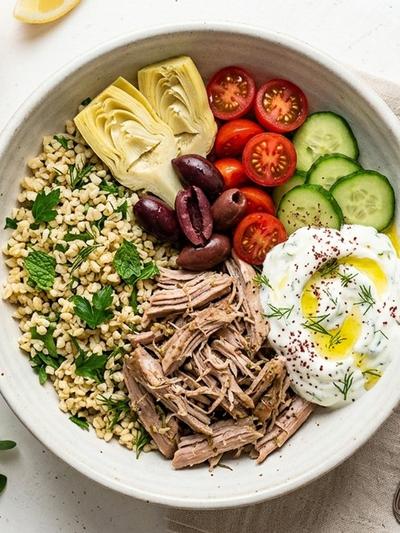
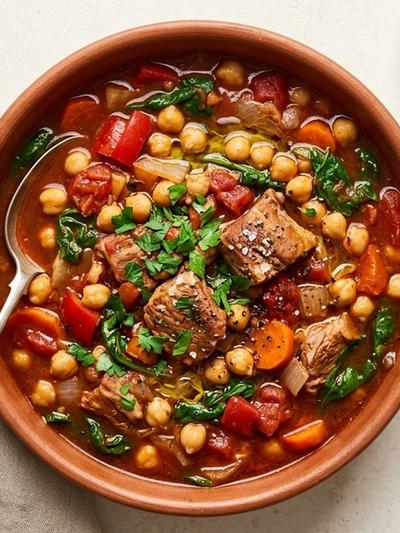
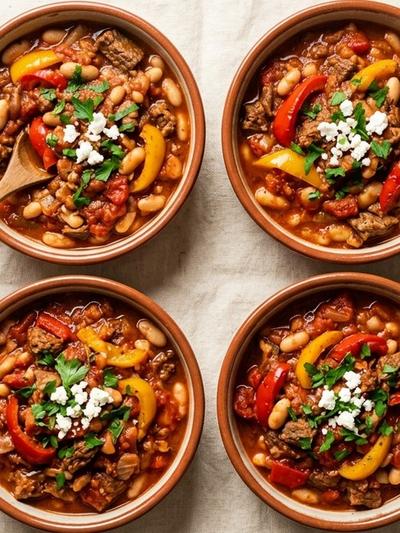
Each serving of these Levantine-spiced beef and freekeh bowls packs 34 grams of protein and 8 grams of fiber from a trio of lean ground beef, roasted green wheat, and chickpeas. The combination provides complete amino acids alongside slow-digesting complex carbohydrates that keep blood sugar steady through the afternoon. Freekeh — young durum wheat harvested green and fire-roasted — brings a smoky, nutty depth that ordinary grains can't match, along with nearly twice the fiber of brown rice per cup. Finished with a quick lemon-herb tahini drizzle, these bowls deliver serious nutrition without weighing you down.
The flavor profile borrows from the Levantine pantry: cumin, allspice, and a whisper of cinnamon season the beef, while a bright salad of cherry tomatoes, cucumber, red onion, and heaps of fresh parsley and mint cuts through the warmth. The tahini dressing — thinned with lemon juice and sharpened with raw garlic — ties everything together with a creamy, tangy richness. Each bite moves between the chewy, smoky freekeh, the spiced beef, the crunch of fresh vegetables, and the nutty tahini.
For GLP-1 users, this recipe checks every practical box. The bowls assemble in under an hour, divide cleanly into four containers, and reheat well — freekeh holds its texture far better than rice after a few days in the fridge. Small portions feel genuinely complete because the protein-fiber combination triggers lasting satiety, and the fresh herb salad layered on top keeps the meal from feeling heavy or stodgy on a sensitive stomach.
Why This Works on GLP-1
With 34 grams of protein per serving, these bowls provide roughly half the daily protein target most healthcare providers recommend during GLP-1-assisted weight loss. Preserving lean muscle mass is one of the biggest challenges on medications like Wegovy and Mounjaro, because the significant calorie reduction that accompanies appetite suppression can lead to muscle loss alongside fat loss. The combination of animal protein from lean beef (rich in leucine, the amino acid most critical for muscle protein synthesis) and plant protein from chickpeas and freekeh creates a complete amino acid profile that supports tissue repair between meals.
The 8 grams of fiber per serving come primarily from freekeh and chickpeas — both sources of soluble fiber that feed beneficial gut bacteria and promote steady glucose absorption. Unlike raw cruciferous vegetables or very high-fiber cereals that can cause bloating on GLP-1 medications, cooked grains and legumes are generally well tolerated because the cooking process breaks down the most gas-producing compounds.
The moderate fat content — just 14 grams per serving, mostly from tahini and the naturally occurring fat in 93% lean beef — keeps the dish satisfying without slowing gastric emptying excessively. GLP-1 medications already delay stomach emptying, so meals that are very high in fat can cause uncomfortable fullness or nausea. This balance provides enough fat for flavor and nutrient absorption (particularly fat-soluble vitamins from the vegetables) without overdoing it.
Ingredients (serves 4)
For the spiced beef:
- 1 lb (450g) lean ground beef (93% lean / 7% fat)
- 1 teaspoon ground cumin
- ½ teaspoon ground allspice
- ¼ teaspoon ground cinnamon
- ½ teaspoon fine sea salt
- ¼ teaspoon black pepper
- 2 teaspoons olive oil
For the freekeh and chickpeas:
- 1 cup (170g) cracked freekeh, rinsed
- 2½ cups (600ml) low-sodium chicken broth or water
- 1 can (15 oz / 425g) chickpeas, drained and rinsed
- ¼ teaspoon fine sea salt
For the fresh herb salad:
- 1 cup (150g) cherry tomatoes, quartered
- 1 medium cucumber (about 200g), diced
- ¼ cup (40g) red onion, finely diced
- 1 cup (30g) fresh flat-leaf parsley, roughly chopped
- ¼ cup (10g) fresh mint leaves, roughly chopped
For the lemon-herb tahini:
- 2 tablespoons (30g) tahini
- 3 tablespoons (45ml) fresh lemon juice (about 1½ lemons)
- 1 small garlic clove, finely grated
- 2–3 tablespoons (30–45ml) cold water
- Pinch of salt
Instructions
Cook the freekeh:
Combine the rinsed freekeh, chicken broth, and salt in a medium saucepan. Bring to a boil over high heat, then reduce to a low simmer and cover. Cook for 20–25 minutes until the freekeh is tender but still chewy and the liquid is absorbed. Cracked freekeh cooks faster than whole — start checking at 18 minutes. Remove from heat and let stand, covered, for 5 minutes, then fluff with a fork.
During the last 5 minutes of cooking, add the drained chickpeas directly to the freekeh pot so they warm through and absorb some of the grain's smoky flavor. Stir gently to combine.
Brown the beef:
While the freekeh cooks, heat the olive oil in a large skillet over medium-high heat. Add the ground beef and break it into small crumbles with a wooden spoon. Cook without stirring for 2–3 minutes to develop browning on the bottom — this Maillard reaction creates the savory depth that distinguishes properly cooked ground meat from steamed-tasting mince.
Add the cumin, allspice, cinnamon, salt, and pepper. Continue cooking and breaking the beef into fine crumbles for another 4–5 minutes until no pink remains and the spices are fragrant. If any liquid pools in the pan, let it cook off completely so the beef is dry and slightly crispy at the edges. Remove from heat.
Make the tahini dressing:
- In a small bowl, whisk together the tahini, lemon juice, grated garlic, and a pinch of salt. The mixture will seize up and thicken at first — this is normal. Add cold water one tablespoon at a time, whisking vigorously, until the dressing reaches a pourable consistency (thinner than hummus, thicker than vinaigrette). Taste and adjust lemon or salt as needed.
Prepare the herb salad:
- Toss the quartered cherry tomatoes, diced cucumber, red onion, parsley, and mint together in a bowl. Do not dress this salad — keeping it dry prevents the vegetables from getting soggy during storage.
Assemble the meal prep bowls:
- Divide the freekeh-chickpea mixture evenly among four airtight containers. Top each with a quarter of the spiced beef. Pack the herb salad alongside in a separate small container or in one corner of the main container, kept separate from the warm components. Drizzle tahini into four small sauce cups or store in a single jar to portion at lunchtime.
Nutrition per Serving
| Nutrient | Amount (approx.) |
|---|---|
| Calories | ~428 kcal |
| Protein | ~34g |
| Fat | ~14g |
| Carbohydrates | ~37g |
| Fiber | ~8g |
Calculated using 93% lean ground beef, cracked freekeh, canned chickpeas, and tahini. Actual values may vary slightly based on specific brands and exact portion sizes.
Practical Notes
Freekeh sourcing. Look for cracked freekeh (not whole) in the international or grain aisle — Bob's Red Mill and Greenwheat Freekeh are widely available brands. If you cannot find freekeh, bulgur wheat is the closest substitute and cooks in about 12 minutes. Farro works too but needs 25–30 minutes and yields a chewier texture.
Meal prep storage. These bowls keep well in the refrigerator for 4–5 days. Store the herb salad and tahini dressing separately from the grain and beef — this prevents the vegetables from wilting and the dressing from being absorbed into the freekeh. Reheat only the freekeh and beef (90 seconds in the microwave), then top with the cold salad and drizzle with tahini at your desk.
Reheating tip for sensitive stomachs. If you find cold raw vegetables uncomfortable on GLP-1 medication, warm the herb salad briefly with the beef and freekeh. Lightly heated tomatoes, cucumber, and herbs lose some crunch but become gentler on digestion. Alternatively, swap the raw salad for roasted zucchini and bell pepper prepared alongside the freekeh.
Scaling for smaller appetites. During the first weeks on GLP-1 medication, you may only manage half a portion. These bowls scale to 6 or even 8 servings from the same batch — simply use smaller containers. At 6 servings, each bowl still provides about 23 grams of protein, which is meaningful for a reduced-appetite lunch.
Freezer-friendly base. The spiced beef and freekeh-chickpea mixture freeze well for up to 3 months. Portion into freezer-safe containers, thaw overnight in the fridge, and reheat. Make the herb salad and tahini fresh on the day you eat — both take under 5 minutes and taste dramatically better than frozen.
Frequently Asked Questions
Can I eat this cold if I don't have access to a microwave at work?
What can I use instead of beef to keep this recipe high-protein?
How long do these bowls last in the fridge, and how do I know if they've gone off?
I'm in the first month of Mounjaro and can barely eat a full meal — how should I approach this?
The tahini dressing keeps seizing up — what am I doing wrong?
This article provides general food and nutrition guidance only. It does not constitute medical advice. Always consult your healthcare provider regarding your GLP-1 medication and individual nutritional needs.