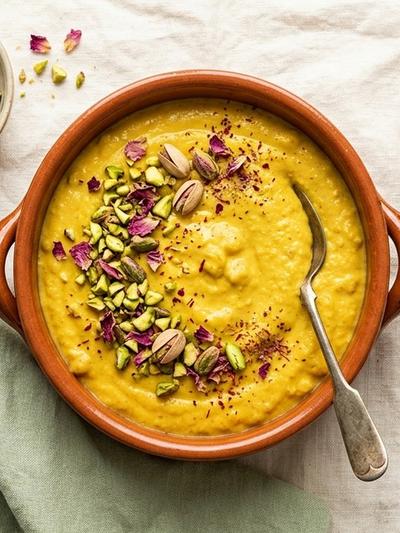
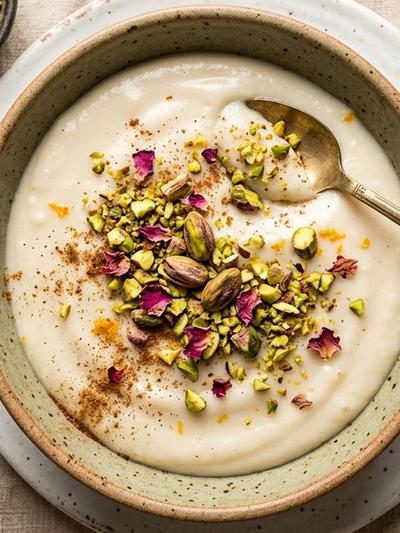
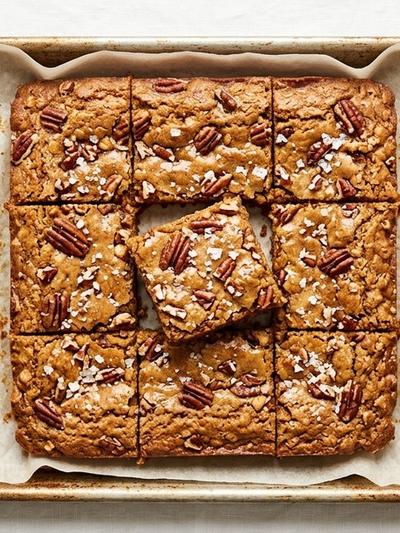
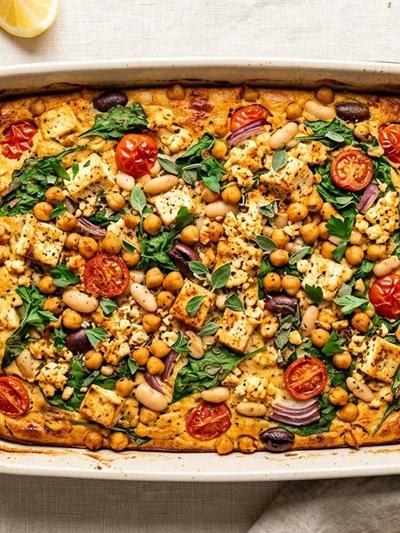
Each serving of this warm Mediterranean semolina halva provides roughly 25 grams of plant-based protein from a combination of silken tofu, tahini, semolina, and pea protein powder. At approximately 355 calories per portion, it delivers a genuine dessert experience without derailing your nutrition goals. The protein comes from four complementary sources, creating a more complete amino acid profile than any single plant ingredient could offer on its own.
Toasted semolina gives halva its signature texture — slightly grainy but creamy, somewhere between a warm pudding and a dense cake. Tahini deepens the nuttiness and adds a subtle bitterness that balances the honey, while ground cinnamon and cardamom bring the warmth that makes this dessert feel like something from an Istanbul pastry shop. Crushed pistachios scattered on top add bright color and a satisfying crack against the soft pudding beneath.
This is a dessert built for small appetites. A modest portion feels complete and satisfying because the protein and healthy fats keep you full long after the last spoonful. The entire recipe comes together in one saucepan in about 25 minutes of active cooking, with a short rest at the end to let the halva set and the spices meld.
Why This Works on GLP-1
The 25 grams of protein per serving matters enormously during GLP-1-assisted weight loss. When medications like Mounjaro or Zepbound reduce your overall calorie intake, your body can begin breaking down muscle tissue alongside fat stores if protein intake falls short. Getting adequate protein from every eating occasion — including dessert — helps preserve lean muscle mass and supports the metabolic rate you need for sustained weight management. This halva turns what would normally be an empty-calorie sweet into a genuine protein contribution to your daily total.
The texture and temperature of this dessert are deliberately GLP-1 friendly. Warm, soft foods tend to sit more comfortably than cold, dense treats when gastric emptying is slowed. Semolina is a relatively gentle grain on the digestive system, and silken tofu blends into a smooth consistency that won't cause the heavy, overfull feeling that richer desserts can trigger. The honey provides sweetness without the intensity of refined sugar, and the modest fat content from tahini and olive oil keeps the dish from feeling greasy.
Tahini also contributes meaningful amounts of iron, calcium, and magnesium — minerals that can become harder to maintain when you're eating smaller volumes overall. The combination of slow-digesting complex carbohydrates from semolina with protein and fat creates a steady energy release, avoiding the blood sugar spike and crash that simple sugar desserts can cause. For Zepbound users who notice increased sensitivity to sugar swings, that stability is particularly valuable.
Ingredients (serves 4)
For the halva:
- 2 tsp (9ml) light olive oil
- ½ cup (85g) fine semolina
- 1 tsp ground cinnamon
- ½ tsp ground cardamom
- Pinch of fine sea salt
- 14 oz (400g) silken tofu (soft variety)
- 1 cup (240ml) unsweetened oat milk
- 2½ scoops (70g) vanilla plant-based protein powder
- 2 tbsp (30g) tahini
- 3 tbsp (63g) honey
- 1 tsp vanilla extract
For topping:
- 2 tbsp (16g) shelled pistachios, roughly chopped
- Ground cinnamon for dusting
- Extra drizzle of honey (optional)
Instructions
Toast the semolina:
- Heat olive oil in a medium heavy-bottomed saucepan over medium heat. Add the semolina and stir continuously with a wooden spoon or heatproof spatula for 4 to 5 minutes, until it turns a shade darker and releases a deep, nutty fragrance. This toasting step is non-negotiable — raw semolina tastes flat and chalky, while toasted semolina develops the rich, roasted flavor that defines halva.
- Sprinkle in the cinnamon, cardamom, and salt. Stir for 30 seconds until the spices bloom and the kitchen smells warmly aromatic.
Build the pudding:
- Reduce the heat to medium-low. Add the silken tofu directly into the pot, breaking it apart with a whisk. Stir vigorously for 1 to 2 minutes, pressing any lumps against the side of the pan until the tofu forms a smooth paste with the semolina. Silken tofu is soft enough that it will break down completely with firm whisking — no blender needed.
- Pour in the oat milk and whisk until fully combined. The mixture will look thin and slightly lumpy at first, but it will come together quickly.
- Add the protein powder, tahini, honey, and vanilla extract. Whisk continuously until the mixture is smooth and uniform, making sure the protein powder dissolves completely without clumping. If you notice any stubborn lumps, press them against the pan with the back of your whisk.
- Increase the heat to medium and cook, stirring constantly, for 5 to 7 minutes. The pudding will gradually thicken until it becomes a dense, creamy mass that pulls cleanly away from the sides of the pan. It should hold its shape briefly when you lift a spoonful and let it drop back.
Rest and serve:
- Remove the saucepan from the heat and cover with a tight-fitting lid. Let the halva rest undisturbed for 10 minutes. During this time, the semolina absorbs the remaining liquid, the texture firms up, and the spices meld into the pudding.
- Spoon the halva into four small bowls or ramekins, smoothing the tops gently. Scatter chopped pistachios over each portion, dust lightly with cinnamon, and add a thin drizzle of honey if desired. Serve warm or at room temperature.
Nutrition per Serving
| Nutrient | Amount (approx.) |
|---|---|
| Calories | ~355 kcal |
| Protein | ~25g |
| Fat | ~13g |
| Carbohydrates | ~38g |
| Fiber | ~3g |
Estimates based on fine semolina, Mori-Nu silken tofu, generic vanilla pea protein powder, roasted tahini, and raw honey. Actual values may vary with specific brands and protein powder formulations.
Practical Notes
Meal prep and storage. This halva keeps well in airtight containers in the refrigerator for up to 5 days. It will firm up considerably when chilled — to reheat, scoop a portion into a small saucepan, add 1 to 2 tablespoons of oat milk, and warm gently over low heat while stirring until creamy again. You can also eat it cold, which gives it a denser, fudge-like texture.
Choosing the right protein powder. Vanilla-flavored pea protein or soy protein works best here because both dissolve smoothly in warm liquids and complement the nutty, honeyed flavor profile. Avoid protein powders that clump in heat or have strong artificial sweeteners, which can taste bitter against tahini. If your powder is unflavored, increase the vanilla extract to 1½ teaspoons.
Silken tofu is essential. Do not substitute firm or extra-firm tofu — they won't break down into a smooth pudding. Shelf-stable silken tofu (the kind sold in aseptic cartons, such as Mori-Nu) works perfectly and requires no pressing or draining. It should feel like soft custard when you open the package.
Adjust sweetness to your palate. GLP-1 medications often shift taste preferences, and many users report that foods taste sweeter than before. Start with 2 tablespoons of honey instead of 3, taste the pudding after the resting step, and add more only if needed. You can also substitute maple syrup or date syrup for a different flavor dimension.
Portion control for early treatment. If you're in the first weeks of your GLP-1 regimen and your appetite is significantly reduced, serve half portions. Even a half serving delivers roughly 12 to 13 grams of protein, which makes it a more productive dessert than most alternatives. Use small ramekins or espresso cups to make smaller portions feel visually complete.
Frequently Asked Questions
Is this halva easy to digest on GLP-1 medications?
Can I make this without protein powder?
How long can I store this, and can it be frozen?
What if I can only eat very small amounts right now?
Why does my halva have a grainy texture instead of being smooth?
This article provides general food and nutrition guidance only. It does not constitute medical advice. Always consult your healthcare provider regarding your GLP-1 medication and individual nutritional needs.