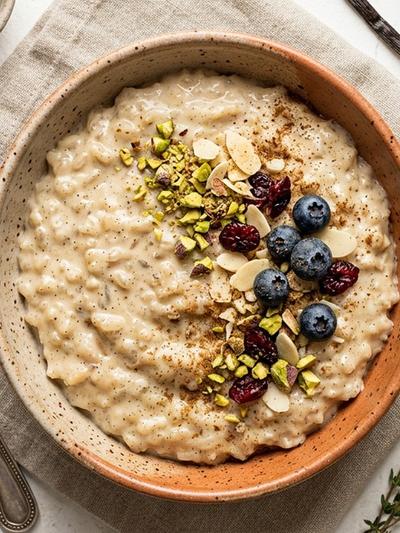
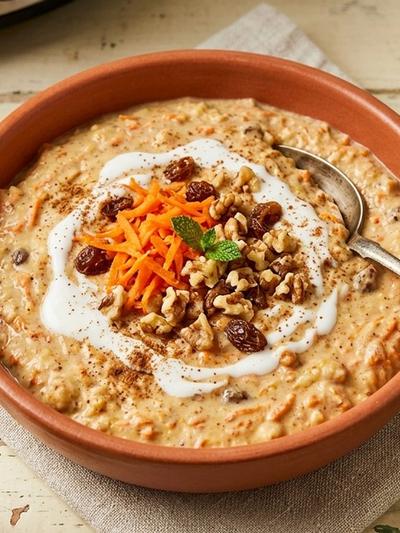
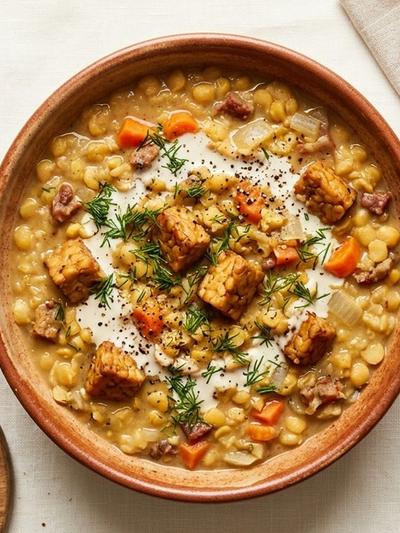
Each serving of this Austrian-inspired slow cooker pudding delivers approximately 28 grams of plant-based protein from a combination of firm silken tofu, vanilla pea protein powder, and oat flour — all for under 300 calories. The protein density comes without any dairy or eggs, making this one of the few fully plant-based desserts on GLP-1 Prep that genuinely earns its high-protein label. You also get a meaningful dose of iron and calcium from the tofu, plus the gentle fiber contribution of oat flour and fresh plums.
The flavor here draws on the Austrian tradition of Zwetschkenknödel — warm plum dumplings spiced with cinnamon and clove that appear on café tables across Vienna every autumn. Instead of heavy dough, silken tofu blends into an impossibly smooth custard base, while a quick stovetop compote of ripe plums with lemon zest and cinnamon provides bright, jammy pockets of fruit throughout. The finished pudding has a faint nuttiness from the almond butter that ties everything together without heaviness.
The slow cooker does the real work here: two and a half hours on low heat gently sets the tofu mixture into a soft, flan-like texture that would be nearly impossible to achieve reliably in an oven. For GLP-1 users, the modest portion size — about three-quarters of a cup per serving — is satisfying without overwhelming a reduced appetite, and the smooth, gentle consistency is easy on digestion.
Why This Works on GLP-1
Preserving lean muscle mass during GLP-1-assisted weight loss is one of the most important nutritional priorities, and that requires consistent, adequate protein intake at every eating occasion — including dessert. This pudding provides roughly 28 grams of complete plant protein per serving, primarily from silken tofu and pea-based protein powder, which together offer all essential amino acids. For Wegovy users aiming for 100 to 120 grams of daily protein on a reduced appetite, a dessert that contributes meaningfully to that target rather than wasting calories on empty sugar is a genuine advantage. The protein also slows gastric emptying further, working alongside your medication rather than against it.
The digestive profile of this pudding is intentionally gentle. Silken tofu is one of the easiest plant proteins to digest, with a soft texture that requires minimal mechanical breakdown in the stomach. There is no raw fiber roughage, no carbonation, and no high-fat element that could trigger the nausea or bloating that GLP-1 medications sometimes amplify. The plums provide a modest amount of sorbitol, a natural sugar alcohol that gently supports regularity — a relevant benefit since constipation is among the most commonly reported side effects.
At 295 calories per serving with only 11 grams of fat, this dessert fits comfortably into a calorie-conscious meal plan without requiring you to skip other meals to accommodate it. The carbohydrate content is moderate and comes from whole-food sources — oat flour, fresh fruit, and a small amount of maple syrup — so the glycemic impact is gradual rather than sharp. For users managing blood sugar alongside Mounjaro, that slow carbohydrate release pairs well with the medication's insulin-sensitizing effects.
Ingredients (serves 4)
For the tofu pudding base:
- Two 12.3 oz (349g) packages firm silken tofu, drained
- 2 scoops (60g) vanilla plant-based protein powder (pea or pea-rice blend)
- 1/3 cup (40g) oat flour (or pulse rolled oats in a blender until fine)
- 1 tablespoon (16g) almond butter
- 1 tablespoon pure maple syrup
- 1 teaspoon vanilla extract
- 1 teaspoon ground cinnamon
- 1/4 teaspoon ground cloves
- Pinch of fine sea salt
For the spiced plum compote:
- 3 medium ripe plums (about 7 oz / 200g total), pitted and diced into 1/2-inch pieces
- 1 tablespoon pure maple syrup
- 1/2 teaspoon ground cinnamon
- 1/2 teaspoon finely grated lemon zest
- 1 tablespoon water
For serving:
- 2 tablespoons (15g) sliced almonds, lightly toasted
Instructions
Make the plum compote:
- Combine diced plums, maple syrup, cinnamon, lemon zest, and water in a small saucepan over medium heat. Cook, stirring occasionally, until the plums soften and release their juices into a thick, jammy sauce — about 8 to 10 minutes. Remove from heat and set aside. The compote will continue to thicken as it cools, which is exactly what you want for distinct swirls in the finished pudding.
Blend the tofu pudding base:
Add the drained silken tofu to a blender or food processor. Blend until completely smooth, about 30 seconds, scraping down the sides once. There should be no visible chunks — the smoother the base, the silkier the final texture.
Add the protein powder, oat flour, almond butter, maple syrup, vanilla extract, cinnamon, cloves, and salt. Blend again for 15 to 20 seconds until the mixture is uniformly smooth and pourable, like a thick pancake batter. Taste and adjust sweetness if you prefer it slightly sweeter — another teaspoon of maple syrup is fine.
Assemble and slow cook:
Lightly grease the inside of a 3- to 4-quart slow cooker with a thin layer of coconut oil or a quick pass of cooking spray. For easier removal, line the bottom and sides with a parchment paper sling — leave overhang on two sides so you can lift the set pudding out later.
Pour the tofu pudding mixture into the prepared slow cooker. Spoon the plum compote in small dollops across the surface, spacing them roughly evenly. Using a butter knife or chopstick, drag through the compote in gentle S-curves to create a marble pattern. Do not over-swirl — three or four passes keeps the plum pockets distinct.
Place a clean kitchen towel or two layers of paper towel across the top of the slow cooker, then press the lid on. This absorbs condensation that would otherwise drip onto the pudding and make the surface watery. Cook on LOW for 2 to 2.5 hours, until the edges are firmly set and the center has a gentle wobble when you tap the side. The pudding will firm up considerably as it cools.
Serve:
- Let the pudding rest with the lid off for 15 minutes before scooping. Spoon into bowls and scatter toasted almond slices over each portion. Serve warm for a soft custard texture, at room temperature for a firmer set, or chilled for a mousse-like consistency.
Nutrition per Serving
| Nutrient | Amount (approx.) |
|---|---|
| Calories | ~295 kcal |
| Protein | ~28g |
| Fat | ~11g |
| Carbohydrates | ~24g |
| Fiber | ~3g |
Estimates based on Mori-Nu firm silken tofu, a standard pea-based vanilla protein powder (~24g protein per 30g scoop), and raw ingredient weights. Actual values vary with specific brands.
Practical Notes
Choose the right silken tofu. Firm silken tofu — not regular firm tofu — is essential here. Silken tofu has a custard-like internal structure that blends into a completely smooth base, while regular firm tofu would produce a grainy, chalky result no matter how long you blend it. Mori-Nu shelf-stable boxes are the most widely available and work perfectly.
The towel under the lid is not optional. Slow cookers generate significant condensation during long cooking, and those water drops falling onto a custard-style pudding create pockmarks and a soggy top layer. A folded kitchen towel between the insert and lid absorbs that moisture cleanly. Use cotton, not synthetic, and keep the towel edges tucked away from the heating element.
Store individual portions for the week. This pudding refrigerates well in sealed containers for up to four days, which makes it an excellent make-ahead dessert when your appetite is unpredictable. Cold portions develop a firm, almost panna cotta-like texture that many people prefer. Reheat gently in the microwave for 30 seconds if you want it warm again.
Swap the plums seasonally. When plums are out of season, use pitted cherries, diced pears, or thawed frozen mixed berries for the compote. Apricots are particularly good here and stay true to the Austrian flavor profile. Keep the cinnamon-lemon zest seasoning regardless of which fruit you choose — it anchors the European character.
Adjust protein powder carefully. Not all plant protein powders behave the same way when heated. Pea protein and pea-rice blends hold up well in the slow cooker without developing off-flavors. Avoid hemp protein (bitter when warm) and brown rice protein alone (gritty). If your powder is unsweetened, add an extra tablespoon of maple syrup to compensate.
Frequently Asked Questions
Can I eat this pudding during the early dose-titration phase of GLP-1 medication?
Can I substitute the silken tofu with Greek yogurt or cottage cheese?
How should I store and reheat leftovers?
What if I only have regular firm tofu, not silken?
My slow cooker runs hot and tends to overcook — how do I adjust?
This article provides general food and nutrition guidance only. It does not constitute medical advice. Always consult your healthcare provider regarding your GLP-1 medication and individual nutritional needs.