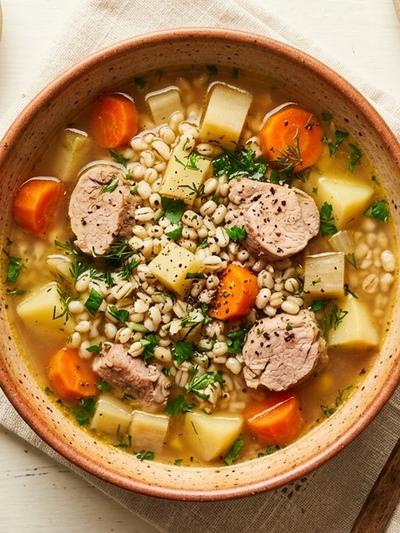
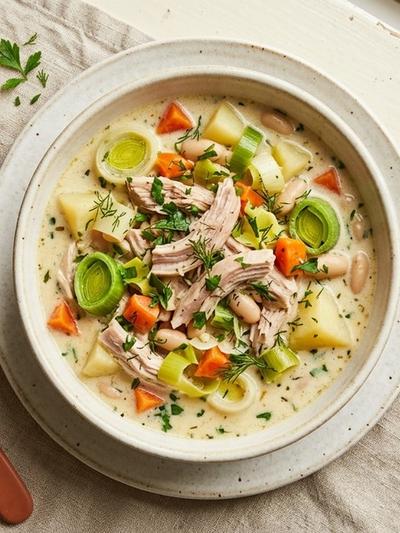
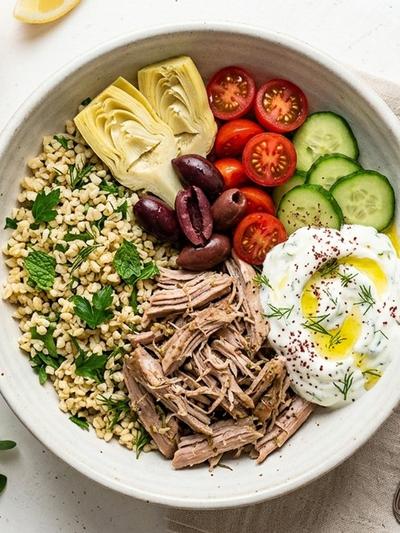
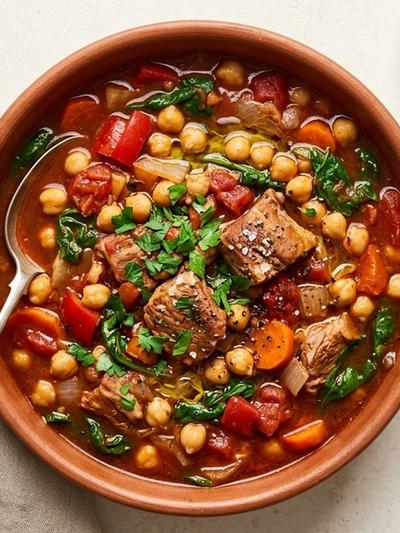
Each bowl of this German-style pork and lentil stew packs 42 grams of protein and 8 grams of fiber while staying under 400 calories. Lean pork tenderloin provides the complete amino acid profile your body needs for muscle preservation, while green lentils contribute slow-digesting plant protein and iron. The combination of these two protein sources creates a nutritionally dense lunch that keeps blood sugar steady for hours.
German Linsensuppe — lentil stew — is one of those dishes that tastes far more complex than its ingredient list suggests. Slow-cooked onions melt into a silky base, whole-grain mustard adds a sharp, vinegary bite, and crushed caraway seeds bring the distinctly Central European warmth that separates this from any other lentil soup you have made. The pork tenderloin absorbs the mustard-thyme broth during the long cook, turning fork-tender without a trace of dryness.
This recipe was designed around a slow cooker for a reason. Everything goes into the pot in the morning and cooks unattended for six hours, yielding four generous lunch portions with almost no hands-on effort. Each serving is thick and satisfying in a modest bowl — exactly what works when your appetite is reduced but your protein needs are not.
Why This Works on GLP-1
Preserving lean muscle mass during weight loss is one of the most important nutritional priorities for anyone on a GLP-1 receptor agonist like Mounjaro or tirzepatide. Research consistently shows that higher protein intake — ideally 25 to 40 grams per meal — helps counteract the muscle loss that often accompanies rapid weight change. At 42 grams of protein per serving, this stew exceeds that threshold comfortably, and the protein comes from two complementary sources: pork tenderloin supplies all essential amino acids, while green lentils add lysine-rich plant protein that rounds out total intake without adding significant fat.
The 8 grams of fiber per bowl come almost entirely from the lentils and root vegetables. For people taking Wegovy or other semaglutide-based medications, soluble fiber from lentils helps regulate gastric emptying in a way that works with the medication rather than against it. Unlike raw cruciferous vegetables or high-FODMAP legumes, well-cooked green lentils are among the gentlest fiber sources available — they rarely cause the bloating or discomfort that makes some high-fiber foods difficult during GLP-1 treatment.
The stew is also remarkably lean at just 5 grams of fat per serving, nearly all of it from the pork tenderloin itself. Iron absorption is another practical benefit here: pork provides heme iron, and lentils supply non-heme iron alongside vitamin C from the carrots and tomato paste, which enhances absorption of both forms. For GLP-1 users eating smaller quantities overall, this kind of nutrient density in every bite matters.
Ingredients (serves 4)
For the stew:
- 1 lb (454g) pork tenderloin, trimmed and cut into 3/4-inch cubes
- 1 cup (200g) dried green or brown lentils, rinsed and picked over
- 2 medium carrots, peeled and diced (about 7 oz / 200g)
- 2 stalks celery, diced (about 4 oz / 120g)
- 1 large yellow onion, finely diced (about 7 oz / 200g)
- 3 cloves garlic, minced
- 2 tablespoons (30g) whole-grain German-style mustard
- 2 tablespoons (32g) tomato paste
- 4 cups (960ml) low-sodium chicken broth
- 1 tablespoon apple cider vinegar
- 1 teaspoon dried thyme
- 1/2 teaspoon dried marjoram
- 1/2 teaspoon caraway seeds, lightly crushed with the flat of a knife
- 1 bay leaf
- Salt and freshly ground black pepper to taste
For serving:
- 1/2 cup (120g) plain nonfat Greek yogurt (2 tablespoons per bowl)
- Fresh flat-leaf parsley, roughly chopped
Instructions
Build the slow cooker:
Spread the diced onion, carrots, and celery in an even layer on the bottom of a 4- to 6-quart slow cooker. Placing the vegetables underneath ensures they cook evenly in the liquid and won't dry out on top.
Scatter the pork tenderloin cubes over the vegetable layer. There is no need to sear the meat first — the six-hour cook will tenderize it fully, and the mustard-broth provides enough flavor complexity without a Maillard crust.
Add the rinsed lentils on top of the pork. Keeping them above the meat allows them to absorb broth gradually rather than sitting in the densest part of the liquid, which helps them hold their shape.
In a small bowl, whisk together the tomato paste, mustard, apple cider vinegar, garlic, thyme, marjoram, and caraway seeds with about half a cup of the chicken broth until the paste is fully dissolved. Pour this mixture over the lentils.
Add the remaining broth and nestle the bay leaf into the center.
Cook and finish:
Cover and cook on Low for 6 hours or on High for 3.5 to 4 hours. The stew is ready when the pork is fork-tender and the lentils are soft but still hold their shape. Green lentils are more forgiving than red lentils here — they will not dissolve even at the longer cook time.
Remove and discard the bay leaf. Stir the stew gently to combine the layers. Taste and season with salt and pepper — start with half a teaspoon of salt and adjust from there, since the broth and mustard already contribute sodium.
Ladle into bowls. Top each serving with a rounded tablespoon of Greek yogurt and a scatter of fresh parsley. The cold yogurt against the hot stew creates a pleasant contrast and adds creaminess without heavy cream or sour cream.
Nutrition per Serving
| Nutrient | Amount (approx.) |
|---|---|
| Calories | ~385 kcal |
| Protein | ~42g |
| Fat | ~5g |
| Carbohydrates | ~44g |
| Fiber | ~8g |
Calculated using USDA data for raw pork tenderloin, dried green lentils, and standard produce weights. Actual values vary with specific brands and preparation.
Practical Notes
This is a weekday lunch machine. Cook a batch on Sunday evening and portion into four airtight containers. The stew refrigerates well for up to five days and actually improves overnight as the lentils absorb more of the mustard-thyme broth. Microwave individual portions for two to three minutes, stirring halfway through.
Skip searing if you want, but consider it for leftovers. Browning the pork cubes in a dry nonstick skillet for three minutes before adding them to the slow cooker adds a layer of caramelized flavor. This step matters more if you plan to eat the stew on days three through five, when the extra depth helps keep the flavor interesting through multiple reheats.
Adjust the lentil texture to your digestion. If you find whole lentils difficult to digest during the early weeks of GLP-1 treatment, cook the stew on Low for the full six hours and then mash a third of it with a fork or potato masher. This partially purees the lentils, making the stew thicker and smoother while reducing the chance of digestive discomfort.
Scale the portion to your appetite. A full serving is generous by GLP-1 standards. If your appetite is reduced, serve a smaller bowl — roughly two-thirds of a portion — and pair it with a few crackers or a thin slice of dark rye bread for a complete lunch. You still get over 28 grams of protein from a smaller serving.
Swap the pork if needed. Boneless, skinless chicken thighs work well here and cook to the same tenderness in six hours. Turkey breast tenderloin is another option but tends to dry out slightly — add it to the slow cooker in the last three hours if using turkey. The lentils carry enough protein on their own that you could also reduce the meat to half a pound and still reach 30 grams of protein per serving.
Frequently Asked Questions
Is this stew gentle enough for the first weeks on a GLP-1 medication?
Can I use red lentils instead of green or brown?
How long does this stew keep, and can I freeze it?
What if I can only eat a very small amount at each meal right now?
Why crush the caraway seeds before adding them?
This article provides general food and nutrition guidance only. It does not constitute medical advice. Always consult your healthcare provider regarding your GLP-1 medication and individual nutritional needs.